
 |
| Nintendo patent could hit hundreds of RPGs, MMOs |
Nintendo isn’t slowing down in its authorized campaign in opposition to Palworld. Whereas the patent infringement case against Pocketpair continues in Japan, the true story could also be unfolding within the U.S.
As we’ve coated earlier than, Nintendo isn’t simply combating one lawsuit. It has been quietly stockpiling patents and getting ready for a possible American case, too. And the most recent one is an enormous deal. The most recent patent is especially egregious and could have huge implications for your complete video games business.
Final week, Nintendo quietly secured a U.S. patent that, on paper, offers it possession over one of the commonest mechanics in gaming: summoning a personality and having it struggle one other.
Two new patents granted to Nintendo
Image 1 of 3
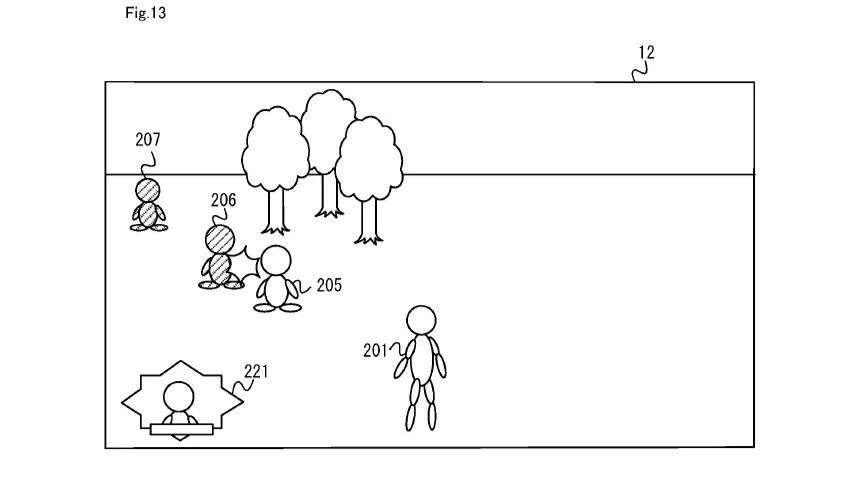
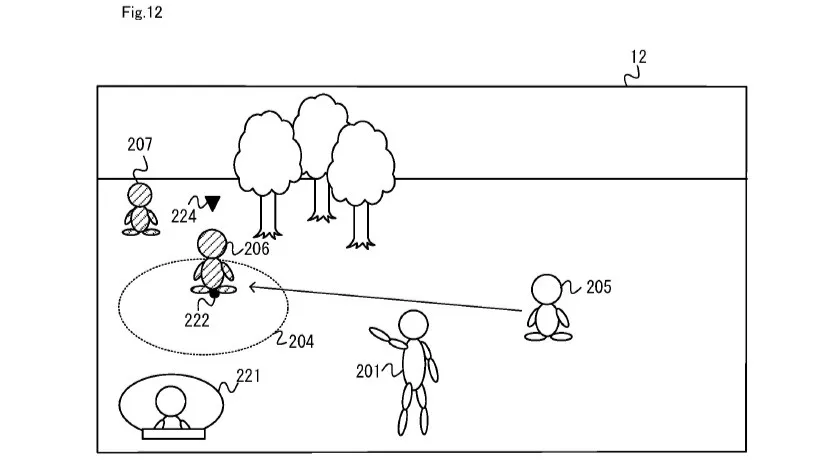

U.S. Patent No. 12,409,387, which was issued right this moment, covers the “clean switching of driving objects”, however Pocketpair already labored round this function in Palworld, so proper now that acquisition will not be a lot of a menace.
Nevertheless, as GamesFray studies of their thorough protection of the case, Patent No. 12,403,39, which was granted over per week in the past on September 2, is a way more vital concern. Not only for Palworld. The Patent '397 covers the elemental mechanics of summoning a personality to have it struggle one other. So sure, seems like Pokémon. Nevertheless, it additionally describes issues that many different video games do.
In contrast to many patents, which regularly face heavy scrutiny or rejections earlier than they’re accepted, this one glided by way of the U.S. Patent Workplace with out objections. It was filed in March 2023 and granted simply final week.
Summoning minions in Diablo? Nintendo could own this

Patent '397 is potentially explosive for the gaming industry, because it isn't just about Palworld. If a game does all of the following, it could be challenged.
- There must be a PC, console or other computing device and the game is stored on a drive or similar storage medium.
- You can move your main character in a virtual space.
- You can summon a secondary character (called the “sub character” in the patent).
- If there’s an enemy present, the summoned character fights it (either automatically or based on your input.)
- If there isn’t, the summoned character can still move and fight when it encounters an enemy later.
If a game does those things, Nintendo now has a patent that could be used to argue infringement. I'm sure you can think of 100s of games that do this. This isn’t just a Pokémon thing. The patent language is so broad that it could arguably apply to mechanics across RPGs, action games, MMOs, and the list goes on.
Take Diablo 4, where the Necromancer class is built around summoning skeletons, golems, and other minions that fight automatically or under your direction. In World of Warcraft, warlocks summon demons, hunters summon pets. In Elden Ring, for those who’re not one of these solo purists, you would possibly summon your Mimic Tear to assist in battle (or, in my case, simply end the battle for me). The listing is limitless.
In different phrases, for those who’ve performed video games in any respect within the final 20 years, you’ve seen this mechanic in every single place. And now, at the very least within the U.S., Nintendo has a patent declare that could theoretically be pointed at any of them.
Will Nintendo actually use this against Palworld?

The obvious question is, will Nintendo actually sue other developers in the U.S. using this patent, including Palworld? Well, we really don't know. In Japan, where there is an ongoing case, Pocketpair is already making a strong defense against many of the patents with examples of prior art.
There's additionally clear proof of Palworld demonstrating its mount switching mechanic, one of the patents in query, 6 months previous to Nintendo submitting for the patent.
However even when Nintendo by no means goes that far, the menace alone is damaging. Simply the existence of this patent could discourage smaller studios from experimenting with summon-style mechanics, out of concern of being dragged into court docket. Huge firms like Nintendo can afford limitless rounds of litigation. Indies can’t.
If Nintendo retains taking place this “PATENT ALL THE THINGS” highway, it could set off a full-on arms race. Think about each massive writer dashing to slap patents on primary gameplay loops, to not shield creativity, however to maintain it as potential authorized ammunition. That doesn’t assist push the business ahead; it stands to choke it into oblivion. Are we sliding right into a future the place attorneys form the video games we get to play greater than the devs do?
Ought to one thing so simple as “summon a personality and let it struggle” even be patentable? Or is that this simply Nintendo flexing its authorized muscular tissues?
Drop your ideas within the feedback. This one feels too massive for players to disregard.
No comments